Hebrew media revealed today a state of “growing confusion” and “widespread frustration” within the ranks of the occupation army on the southern Lebanese front, with frank admissions from senior officers that the field scene is “complex” and objectives are “blurry,” amid a rising toll of injuries from drones.
Lebanon – Al-Khabar Al-Yemeni:
The Haaretz newspaper quoted officers fighting on the ground as saying they “do not clearly understand the leadership’s strategy” and that their tasks have become “limited to demolishing homes in Lebanese villages,” an admission reflecting the “absence of a clear vision” for the military operation. A number of military personnel affirmed that “injuries resulting from drone attacks are continuously increasing,” further complicating the scene.
The Israel Hayom newspaper indicated that “remaining in Lebanon is no longer achieving tangible achievements,” amid ambiguity about whether the leadership seeks a ceasefire or to continue the war. The newspaper explained that the restrictions on targeting Beirut and the Bekaa have pushed the enemy forces to “focus their strikes only on southern villages,” at a time when some officers believe the army is “incapable of using its full power.”
Maariv concluded its report by affirming that the challenges on the Lebanese front are “worsening day by day,” with internal demands for the need to “clarify the mission or consider withdrawal.”
The public admissions by occupation force officers are further confirmation of a state of collapsed deterrence and morale. The entity’s generals, accustomed to marketing “certain victory” to their audience, now admit that their forces are “demolishing homes” without achieving any field achievement and that soldiers are being injured daily by resistance drones that Israeli technology is unable to intercept.
This crisis places the Zionist leadership (military and political) before an “existential dilemma”: either admit failure and withdraw (which means a strategic defeat) or continue in the “quagmire” and bear high daily losses without a clear horizon.
In both cases, it seems that the prestige of the “invincible army” has been shattered on the borders of southern Lebanon in favor of the resistance doctrine that has proven that “determination and blood” can defeat “silicon and technology.”
Hebrew newspapers acknowledge a state of “Anger and Frustration” in the occupation forces following their major failure in southern Lebanon
245prisoners from Saudi prisons… Sana’a reveals new details about a major exchange deal
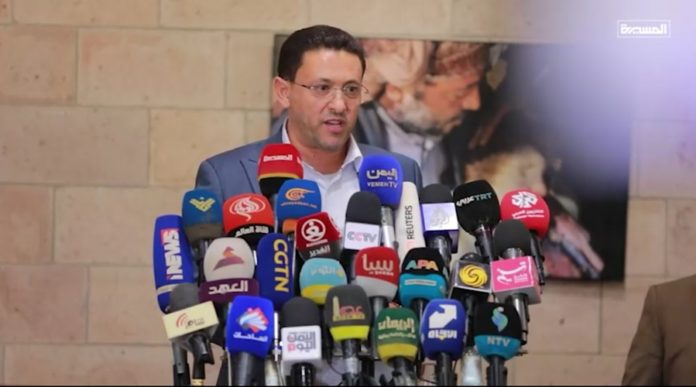
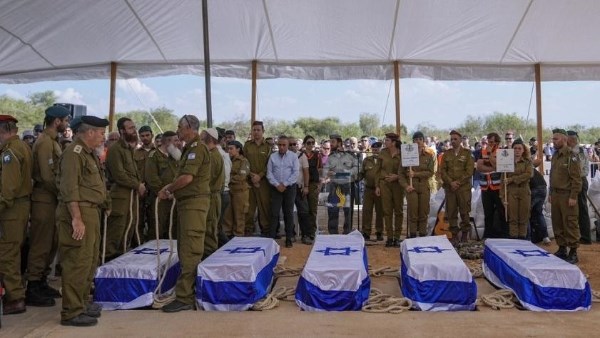
The head of the National Committee for Prisoners’ Affairs in Sana’a, Abdulqader Al-Murtada, announced on Thursday details of a major prisoner exchange deal, scheduled to be implemented on July 10, describing it as the “largest and most extensive in terms of numbers,” and affirming that it reflects “a clear negotiating superiority.”
Sana’a – Al-Khabar Al-Yemeni:
Al-Murtada explained that the deal includes 1,700 prisoners and detainees from both sides, consisting of “one thousand and one hundred prisoners and detainees from our side, compared to five hundred and eighty prisoners from the other side,” indicating the success of the Sana’a delegation in imposing a wide-scale humanitarian equity equation across various confrontation fronts.
He revealed the distribution of prisoners released from Sana’a’s side according to fronts, where Marib fronts received the largest number with 388 prisoners and detainees, followed by Saudi prisons from which 245 prisoners and detainees will be released; then the southern fronts with 200, coastal fronts with 186, and Taiz fronts with 68, affirming the comprehensiveness of the deal and that no arena of steadfastness was excluded.
Abdulqader Al-Murtada also revealed that among the 1,100 prisoners to be released are about 400 civilian and abducted detainees “who were arbitrarily snatched from roads, airports, workplaces, and from inside their homes and were thrown into the darkness of prisons without any legal justification.”
He added that some of these civilian detainees “have spent nearly 7-8 years in prison away from their families,” in reference to the scale of human suffering caused by the coalition’s war on Yemen.
The head of the Prisoners’ Committee in Sana’a described the deal as a “victory for both political and humanitarian will together,” praising the role of the revolutionary, political, and military leadership in achieving this achievement and affirming that this breakthrough represents a “major message of hope” laying the groundwork for future stages of clearing prisons and completely ending this humanitarian file.
Iran places the Emirati coast under its sovereignty amid anticipation of an agreement with America
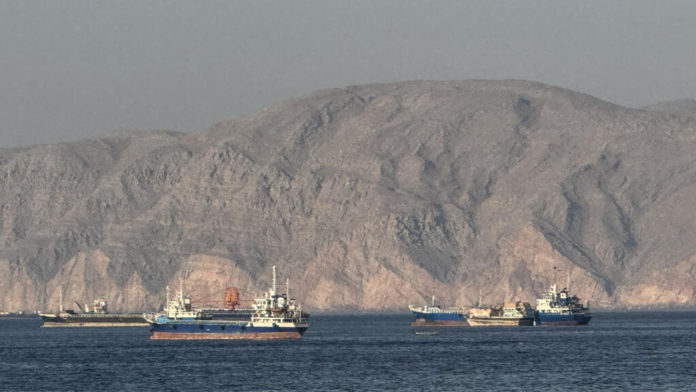
Iran revealed on Thursday the mechanism for managing the Strait of Hormuz, on the eve of reports of an anticipated agreement with America.
Exclusive – Al-Khabar Al-Yemeni:
The new mechanism includes complete control over maritime influence in the Strait of Hormuz.
Iran explained, according to its media, that the new what it called “administrative monitoring zone” will extend from the Iranian Jebel Mubarak to the south of Fujairah in the east and from the Iranian Qeshm Island to the Emirati Umm Al Quwain in the west.
The measures include the necessity of obtaining prior permission for ships to transit through the zone.
The UAE was the most prominent Gulf country that engaged in the American-Israeli war on Iran.
It is unclear whether Iran’s decision to place the UAE’s coasts under its sovereignty reflects security arrangements or is a response to its involvement in the war.
It is noteworthy that Iran held discussions in recent days with the Sultanate of Oman, which also has a coast on the Strait of Hormuz, regarding the new mechanism.
The announcement of the new mechanism for the Strait of Hormuz comes amid anticipation of the announcement of a new agreement between Tehran and the US.
Reports indicate that the agreement includes opening the Strait of Hormuz and ending the war.
The US has ignored the Gulf countries in its negotiations with Iran, including the most prominent ally, the UAE.
Emirati-Saudi clashes near the Yemeni border
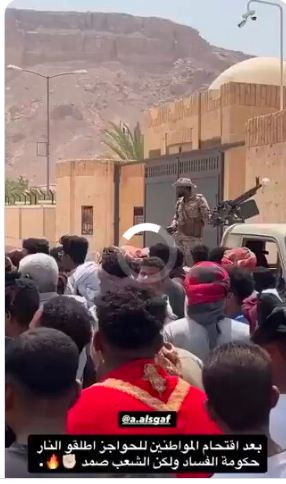
The border regions of Yemen witnessed Saudi-Emirati proxy clashes on Thursday for the first time since the campaign against the Transitional Council began earlier this year.
Exclusive – Al-Khabar Al-Yemeni:
Video clips circulated by activists showed clashes between Saudi factions known as “Homeland Shield” and elements of the Transitional Council.
The clashes broke out following the storming of positions and points of “Homeland Shield” in the city of Seiyun by supporters of the Transitional Council, loyal to the UAE.
“Homeland Shield” forces opened fire with various weapons in an attempt to disperse the Transitional Council crowds who flooded the city’s streets to commemorate what is known as the “Disengagement” anniversary.
Seiyun is the second city on the Saudi border to witness a new uprising by Emirati factions within days, as Transitional Council gunmen had previously raised secession flags at positions and points belonging to Saudi factions in the neighboring Mahrah governorate.
The demonstration is a strong blow to Saudi Arabia, which had launched a campaign to oust the Transitional Council and other Emirati forces from the neighboring Hadramout governorate, and is an indication of the continued Emirati influence despite what its forces have been subjected to in recent months.
Hezbollah announces the execution of 26 operations against the “Israeli” occupation forces in southern Lebanon within 24 hours

The Islamic Resistance announced on Thursday the execution of 26 military operations against sites, gatherings, and vehicles of the Israeli army in southern Lebanon, in response to the occupation entity’s breaches of the ceasefire agreement and the aggressions that targeted civilians and southern villages.
Follow-ups – Al-Khabar Al-Yemeni:
In a series of military statements, the Resistance stated that the operations were carried out between Tuesday evening and Thursday dawn and included targeting occupation military sites, barracks, gatherings of soldiers and vehicles, as well as targeting “Merkava” tanks and military bulldozers using missiles and suicide drones.
It explained that the operations began on Tuesday evening with targeting the Ajl Hill site, Avivim, Rameem, Ramot Naftali, and Ma’ale Golani barracks with swarms of suicide drones, followed by successive operations targeting Israeli gatherings and vehicles in the towns of Rashaf, Dibel, Shama, Deir Siryan, Naqoura, and Al-Bayada.
It also indicated carrying out confrontation operations against Israeli forces attempting to advance towards the town of Hadatha, confirming the targeting of a number of “Merkava” tanks and military bulldozers, achieving direct hits, in addition to shelling support gatherings for Israeli forces with repeated rocket barrages.
The Resistance added that on Wednesday evening, it targeted an Israeli “Hermes 450” drone in the airspace of the central sector with a surface-to-air missile.
In two separate statements, the Islamic Resistance announced that after midnight on Thursday, it targeted gatherings of Israeli army vehicles and soldiers in the towns of Dibel and Rashaf at 00:00, and it also targeted another gathering in the town of Al-Bayada at 00:10 with rocket barrages.
The Islamic Resistance affirmed that its operations come “in defense of Lebanon and its people,” and in response to the Israeli aggressions that, according to its statements, have resulted in civilian casualties, including martyrs and wounded, in southern Lebanon.
Hebrew Media: A Hezbollah drone penetrated protection systems and struck the headquarters of the “401” brigade commander
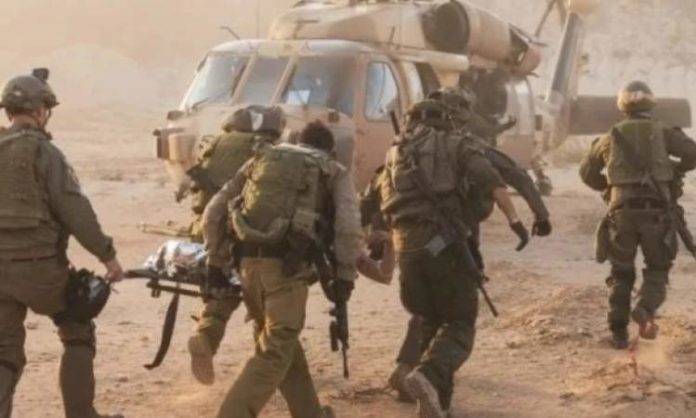
The Israeli occupation entity acknowledged that the commander of the “401” Armored Brigade was seriously injured, along with an officer and a reserve soldier, following an attack carried out by Hezbollah using a booby-trapped drone targeting an Israeli force in southern Lebanon.
Follow-ups – Al-Khabar Al-Yemeni:
Hebrew media reported that the attack occurred on Wednesday morning, when Hezbollah launched a booby-trapped drone towards a force from the “401” Brigade that was inside a building between the towns of Dibel and Hadatha in southern Lebanon.
According to Hebrew “Channel 12,” the officer injured in the incident is the population affairs officer of the “162” division, holding the rank of lieutenant colonel in the reserves, noting that the drone succeeded in penetrating anti-drone protection networks and reaching the brigade commander’s headquarters.
The channel added that the drone exploded near the building’s facade after maneuvering between protection means, causing several soldiers to be injured by shrapnel.
Israeli media described the incident as a “serious security event,” while reports spoke of eight soldiers being injured in the attack.
For its part, the Haaretz newspaper stated that the “401” Brigade commander injured in the operation had assumed his post after the previous brigade commander was killed during battles in Jabalia.
The newspaper acknowledged that the current round of fighting in southern Lebanon is witnessing a notable escalation in the danger of Hezbollah’s booby-trapped drones.
In the same context, Maariv newspaper quoted its military analyst as saying that Hezbollah managed to spot the brigade commander during his visit to an engineering force before targeting him with the drone.
The Walla website reported that the drone that hit the “401” Brigade commander’s headquarters was launched from a distance of between 15 and 20 kilometers.
For its part, Israeli “Channel 13” confirmed that the “401” Brigade commander is the highest-ranking Israeli officer injured in the ongoing battles in southern Lebanon so far.
In a related development, the Islamic Resistance in Lebanon announced that Israeli forces retreated at dawn from the town of Hadatha towards Rashaf after what it described as “heroic” confrontations with occupation forces.
Israeli media also acknowledged the death of a deputy company commander in the “7008” battalion during clashes with Hezbollah fighters, raising the number of Israeli army deaths since the start of the current round of fighting on the northern front to 21.
الإمارات وإيران: لماذا طفح الكيان وخرج العداء إلى العلن وثم المواجهة؟
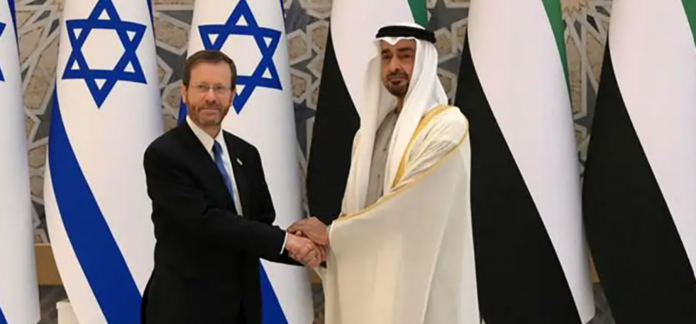
| علي وطفي*
هو حال واقع الأمر بين الإمارات وإيران رغم ضخامة المصالح والتعاملات التجارية المالية على مدى نصف قرن من الحصار الغربي على طهران ظهرت المواجهة الخفية إلى العلن بعد انكشاف عمق التعاون العسكري بين الإمارات والولايات المتحدة وإسرائيل وانخراط أبوظبي في الحرب والارتماء في أحضان نتنياهو والمشاركة المباشرة في العدوان على إيران حقا إنه لأمر مستغرب وغير منطقي كيفما قلبت في السياسة والجغرافيا والأمن وبمثابة سياسة انتحار على كل الأصعدة ومستقبل مجهول لنظام الإمارات ، ووفق “محسن بكايين”، السفير الإيراني السابق لدى أذربيجان، فإن الاستراتيجية الأمريكية الحالية في عهد دونالد ترامب لا تهدف إلى المواجهة المباشرة بقدر ما تهدف إلى توسيع نطاق الصراع بإشراك أطراف جديدة ومنها الإمارات وفي هذا السياق ، فجاء الحدث الأخير في الإمارات المتمثل في الهجوم على مصفاة النفط في الفجيرة عمل مثير للشك فقد اتهمت الإمارات والغرب ممثلا بالولايات المتحدة وإسرائيل في الحال إيران بالتنفيذ بطائرة مسيرة ، لكن طهران اكدت زيف هذه الاتهامات جملة وتفصيلا وأصدرت بيانا تنفي فيه تورط إيران في الهجوم أو تنفيذه وتجدر الإشارة إلى وقوع حوادث مماثلة مع كل من تركيا وأذربيجان في محاولة لجرهم إلى الصراع ضد إيران.
ما ان تم وقف إطلاق النار المؤقت بين واشنطن وطهران خرج مضيق “هرمز” كنقطة توتر رئيسية مع آخر محاولات الولايات المتحدة لتنفيذ ما يسمى بمشروع “تحرير المضيق” تعزيز للوجود العسكري وحصار الحصار، في حين يكثف الجانب الإيراني بواسطة الحرس الثوري سيطرته التامة على حركة العبور في الاتجاهين ويؤكد استعداده الدائم للرد ، وبالعودة إلى العلاقات بين الجمهورية الإسلامية الإيرانية والإمارات العربية المتحدة من أكثر القضايا إثارة للجدل وتوترا في الشرق أوسط لعقود على الرغم من العلاقات التجارية والاقتصادية الوثيقة والتقارب الجغرافي والنشاط التجاري إذ تتهم طهران أبوظبي بشكل متزايد دعم استراتيجيات الولايات المتحدة وإسرائيل المعادية لإيران بشكل ممنهج وتؤكد الجمهورية الإسلامية الإيرانية بأن الحكم الإماراتي لم يحافظ على حياد حقيقي في الصراعات الإقليمية وهذا العدوان عليها ، إنما على النقيض من ذلك يرى عدد من السياسيين والمحللين الإيرانيين أن الإمارات انتهجت باستمرار سياسة تهدف إلى الحد من نفوذ طهران في الخليج العربي وتعزيز تحالفها العسكري والسياسي مع القوى الغربية ولم تسهم الأحداث الأخيرة في الشرق الأوسط ، بما فيها تصاعد التوترات حول مضيق هرمز وتوسع تعاون أبوظبي مع إسرائيل ، إلا في تأجيج هذه الاتهامات مع بقاء النزاع الحدودي على ثلاث جزر في الخليج العربي (أبو موسى وطنب الكبرى وطنب الصغرى) أحد العوامل الرئيسية الأولى في المواجهة بينما تصر طهران أن قضية الجزر كان قد حسمت فعليا قبل الثورة الإسلامية عام 1979وأن الإمارات وبدعم بريطاني بدأت لاحقا في إثارة قضية ملكية الجزر مجددا في المحافل الدولية واعتبر الجانب الإيراني ذلك محاولة لممارسة ضغط سياسي وأداة لتشكيل أجندة معادية لإيران في العالم العربي ولا تزال الحرب الإيرانية العراقية عالقة في اذهان الإيرانيين التي وقعت مابين (1980-1988) فصلا مؤلما للغاية بالنسبة لإيران ولدى طهران إيمانا راسخا وحتى اعترافات بأن دول الخليج العربي ، بما فيها الإمارات قدمت دعما ماليا ضخما لنظام صدام حسين على الرغم من مواقفها الرسمية كانت تصفها بالحياد وحسب تقديرات مختلفة دعمت انظمة الخليج نظام صدام بمليارات الدولارات إلى كمساعدات ، مما مكن العراق من مواصلة الحرب حتى بعد هزائم عسكرية جسيمة ، لذلك بقي الخطاب السياسي الإيراني يذكر بالتنسيق السري بين الدول العربية ضد الجمهورية الإسلامية.
تحتل سياسة العقوبات التي تفرض على طهران مكانة خاصة في هذه الاتهامات ويصر محللون إيرانيون وممثلون في قطاع الأعمال مرارا وتكرارا أن الإمارات العربية المتحدة رغم كونها أحد أكبر الشركاء التجاريين لإيران فقد سهلت في الوقت نفسه القيود الأمريكية بما في ذلك على العمليات المصرفية و التحويلات والعقود المالية وفرض قيود على وصول الشركات الإيرانية إلى المعاملات الدولية و بحسب طهران أصبحت أبوظبي فعليا أحد أهم مراكز الضغط على الاقتصاد الإيراني وذلك بالتنسيق الوثيق مع واشنطن وحلفائها وتشعر الجمهورية الإسلامية الإيرانية بقلق بالغ إزاء التطور السريع للتعاون العسكري التقني بين الإمارات وإسرائيل عقب توقيع اتفاقيات أبراهام.
في السنوات الأخيرة وسع الجانبان نطاق اتصالاتهم بشكل ملحوظ في مجالات الأمن والاستخبارات والتقنية السيبرانية والدفاع الصاروخي وأفادت وسائل إعلام غربية تزويد الإمارات بأنظمة دفاع جوي إسرائيلية ، وتدريبات مشتركة ثنائية للخبراء العسكريين وتبادل المعلومات الاستخباراتية وتعتبر طهران هذا التعاون بمثابة تشكيل هيكل أمني إقليمي جديد يستهدف إيران بالدرجة الأولى ، كما تتهم الأوساط السياسية الإيرانية الإمارات بانتظام بالمشاركة في حملات إعلامية ودبلوماسية تهدف إلى زيادة الضغط الدولي على الجمهورية الإسلامية ، حيث انخرطت جهات إماراتية بنشاط مع وسائل الإعلام الغربية والأوساط السياسية الأمريكية للترويج لضرورة اتباع سياسة أكثر صرامة تجاه طهران التي تنظر بقلق بالغ إزاء استخدام الإمارات كقاعدة لوجستية للعمليات الأمريكية والإسرائيلية في المنطقة.
لا تزال طهران تنظر إلى الوجود الأمريكي والإسرائيلي في الخليج العربي باعتباره تهديد مباشر لأمنها القومي، بينما تسعى الإمارات العربية المتحدة إلى تعزيز علاقاتها العسكرية والسياسية مع دول الغرب وسط تزايد عدم الاستقرار في المنطقة في تطور دراماتيكي يعكس حجم التوتر المشتعل تحت الرماد في المنطقة،كما أن وزير الخارجية الإيراني عباس عراقجي خلال قمة “بريكس”، موجهاً اتهامات خطيرة للنظام الإماراتي بعد أن بدأ حديثه إظهار الحرص على وحدة تكتب البريكس من خلال عدم تحديد أسماء، بالتورط المباشر في أعمال عدوانية مباشرة ضد طهران مؤكدا أن الصمت الإيراني خلال الحرب لم يكن ضعفا بل مراقبة دقيقة لكل التحركات التي جرت في الغرف المغلقة كي يضع الجميع أمام حقيقة أن التحالفات الجديدة في المنطقة تجاوزت مرحلة الدبلوماسية إلى مرحلة المشاركة العسكرية الفعلية، كما أن عراقجي رمى بقنبلة من العيار الثقيل تمثلت في كشفه عن زيارة سرية قام بها بنيامين نتنياهو إلى أبوظبي في ذروة الحرب والعدوان وهي معلومة انكرتها ابوظبي ولكن نتنياهو الزائر فضح مستقبلية واكدها توثيقا مصورا، زيارة بمثابة دليل دامغ على وجود “غرفة عمليات مشتركة ” تدير الهجمات ضد المصالح الإيرانية و بلغة لا تعرف المواربة وجه عراقجي رسالة تحذيرية أخيرة لصناع القرار في الإمارات مفادها أن الرهان خاسرعلى “المظلة الإسرائيلية كحال نظام الحمدين في إمارة قطر قد سبق وارتمى وقدم خدمات أمنية لتل أبيب في قطاع غزة و استثمر المليارات في الشركات الإسرائيلية واليوم وضعته تل أبيب في خانة داعمي الإرهاب في المنطقة العربية كما يقال أول من فتح الردة كان النظام في قطر.
مع استمرار الأزمات في الشرق الأوسط باتت العلاقات بين إيران والإمارات العربية المتحدة عاملا رئيسيا في ميزان القوى الإقليمي وأي تصعيد اكبر جديد حول مضيق هرمز أو البنية التحتية للطاقة ، ورغم التواجد العسكري الأمريكي لن يؤدي فقط إلى زيادة التوترات بين البلدين فقط ، بل سيؤثر أيضا على أسواق النفط العالمية والخدمات اللوجستية البحرية والبنية الأمنية على مستوى الإقليمي وصولا الى المنطقة الأوراسيةبكل جغرافيتها.
*كاتب سوري
Sana’a | The Armed Forces vow: What is coming is more severe and harsher, and the era of American arrogance is gone forever
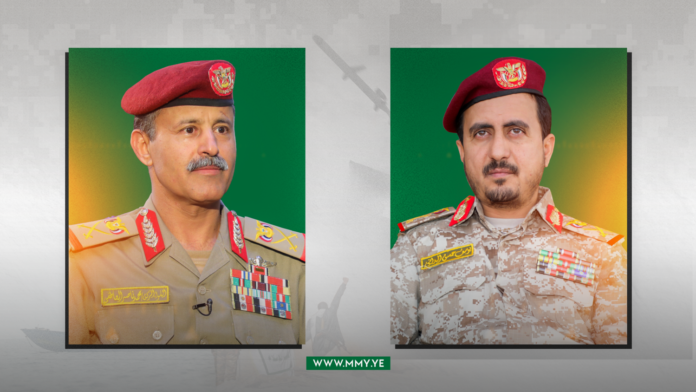
The Minister of Defense in the Sana’a government, Major General Mohammed Nasser Al-Atifi, and the Chief of Staff, Major General Yousef Al-Madani, renewed their affirmation that “our missiles and drones, which have traversed the seas and oceans, have imposed equations of divine deterrence and made the enemies taste the might of a Quranic generation,” vowing to the Zionists, criminals, and their patrons that “what is coming is more severe and harsher, and you will reap nothing in our seas and land but disappointment, defeat, and loss, God willing,” and affirming that “the era of Zionist-American-British arrogance is gone forever.”
Sana’a – Al-Khabar Al-Yemeni:
In a congratulatory message to Sana’a’s fighters on various fronts on the occasion of the 36th National Day of the Republic of Yemen (May 22), Al-Atifi and Al-Madani affirmed that “preserving Yemen’s unity, sovereignty, and independence is a jihad for the sake of God, and our negligence in it or allowing it to be torn apart is a dereliction of a trust that God has entrusted to us,” pointing out that the conspiracies woven by the forces of global arrogance and their tools “to divide and split Yemen and plunder its wealth are not isolated from the arrogance and criminality witnessed in the region.”
Al-Atifi and Al-Madani stressed that “there will be no relinquishment of the sovereignty of the united homeland, nor a retreat from our faith-based and moral stance in supporting and backing our oppressed brothers in Gaza, Lebanon, and Iran and confronting the tyrants of the earth until the aggression stops and the siege is lifted.”
They appreciated the continuous follow-up of the leader of the Ansar Allah movement and the unlimited support for the military institution in the paths of development and military manufacturing “until it became a striking force in the region that is taken into account a thousand times,” affirming that our Yemeni people, “by the grace of God, His support, and the wisdom of the righteous divine leadership, stand as an impenetrable bulwark against all projects of fragmentation and division,” and pledging that “we will not rest nor will our eyes close until every inch of our land and sovereign wealth is liberated and the nation’s holy sites, foremost among them the Al-Sharif Al-Aqsa Mosque, are purified.”
Foreign Affairs: The Iran war has become similar to America’s disastrous experience in Vietnam
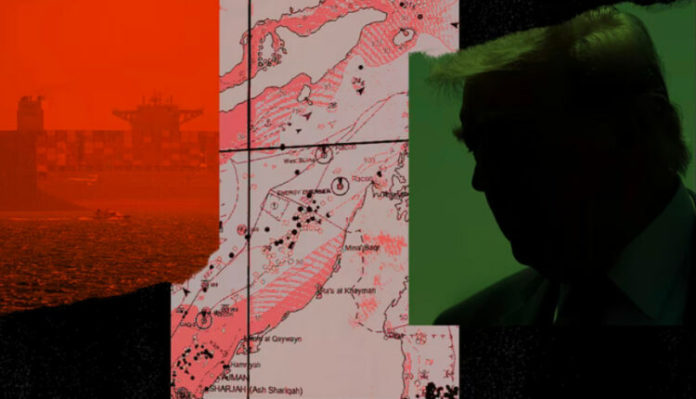
The journal “Foreign Affairs” said on Thursday that the American war on Iran is increasingly resembling the US’ catastrophic experience in Vietnam.
Exclusive Follow-ups – Al-Khabar Al-Yemeni:
The journal published an article by political analyst Gideon Rose, in which he explained that “the similarity between the two crises isn’t about geography or ideology but about the strategic structure of the two wars and how American leaders behave under pressure.”
The writer points out that the Trump administration has gone through the five stages of the Johnson administration in Vietnam in just two months, namely intervention, escalation, military stalemate, and then transition to negotiations.
The writer notes that the Trump administration has entered a phase resembling the era of President Nixon, as it is seeking an exit that saves face from a costly war that failed to achieve its decisive political objectives.
He touched on the similarities between the two wars, both of which began with operations that failed to achieve their goal, only to later turn into a quagmire and a political and military burden.
The writer expects the war to end with a settlement resembling the 1973 Paris Agreement, which ended direct American intervention in Vietnam; that is, an agreement that stops the fighting and reopens sea trade routes but postpones the substantive issues concerning the future of the Iranian nuclear program and the Iranian regime itself.
He concludes that the Iran experience once again reveals a recurring American pattern: the belief that military superiority can easily achieve major political transformations before wars turn into long attrition conflicts ending in negotiations and withdrawal without achieving the original objectives of the war.
Al-Mashat: Yemen is ready to confront any American or “Israeli” escalation, and unity is a red line
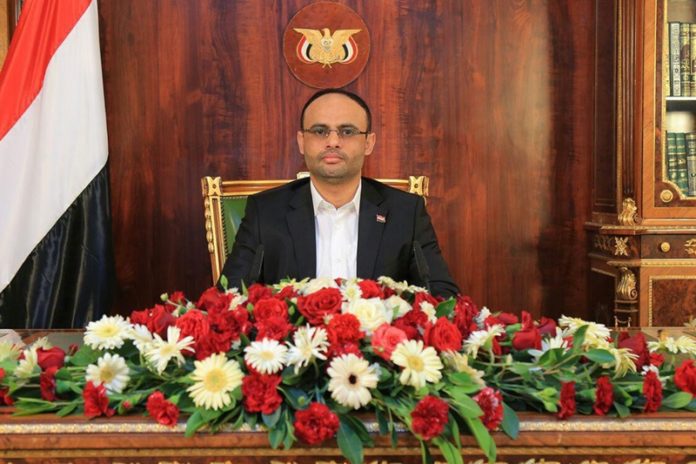
The head of the “Supreme Political Council” in Sana’a, Mahdi Al-Mashat, affirmed that Yemen is in a state of full readiness to confront any American or Israeli escalation in the coming period, stressing the continuation of the “option of jihad” until the full restoration of Yemeni territory and warning the coalition countries and their affiliated entities against any moves targeting Yemeni unity, which he described as a “unifying national interest for all Yemenis.”
Sana’a – Al-Khabar Al-Yemeni:
Al-Mashat said, in a speech on the occasion of the 36th anniversary of Yemeni unity, that “attempts to divide the country and incite internal conflicts are part of schemes linked to the aggression and blockade imposed on Yemen,” affirming that Yemenis “will not accept any division projects or imposition of a new reality” that contradicts the unifying national identity and indicating that what Yemen is exposed to external interventions and the occupation of parts of its territory aimed at “tearing the country apart and plundering its wealth.”
On the regional file, Al-Mashat renewed Sana’a’s solidarity with Iran, affirming its “right to defend itself, manage the Strait of Hormuz, and prevent its use by its adversaries.” He also stressed the need to “unify Arab and Islamic positions to confront the Zionist-American project in the region.”
Al-Mashat touched on developments in Palestine and Lebanon, renewing Sana’a’s support for the Palestinians and Lebanese and demanding that Arab and Islamic governments “take practical stances to stop Israeli violations and not be satisfied with statements of condemnation.”
He also condemned the “Somaliland” region’s trend towards normalization with “Israel,” warning of its repercussions on Yemen and the region, along with his condemnation of the incident of burning a copy of the Holy Quran in the US and his call to boycott countries that allow such acts.
On the prisoners’ file, Al-Mashat announced progress in negotiations, affirming the provision of all facilities to complete a comprehensive exchange deal based on the principle of “all for all,” considering that “the resolution of this file is now near.”
The “head of the Supreme Political Council” indicated that Yemeni unity “isn’t a transient political event, but rather an embodiment of the unity of the Yemeni people and their shared history,” calling for transcending political differences and maintaining internal cohesion.